Define fair wear versus reinstatement
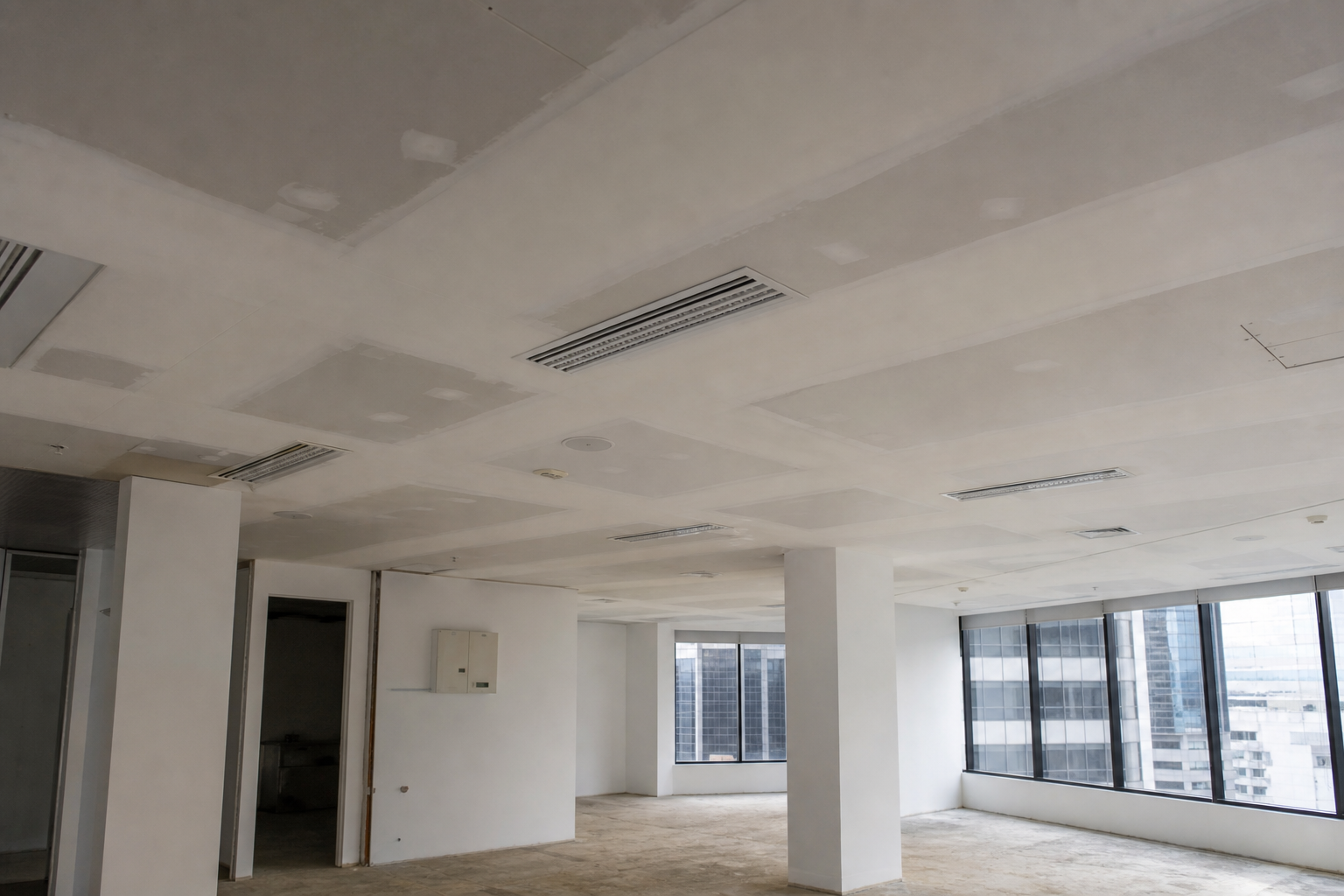
Commercial leases often describe make-good in general terms while silent on whether ceilings must be re-tiled, walls skimmed, or penetrations infilled to base-building paint standards. Carval Interior Lining executes make-good packages against a written scope with photos at commencement—so outgoing tenants know what restore means.
We recommend landlords publish a make-good guide referencing acceptable patch sizes, grid types, and maximum allowable damage to suspension systems. Guides reduce legal friction and speed reletting.
Programme reality
Make-good frequently occurs in the gap between tenants. Compressed programmes tempt shortcuts: cover stains instead of replacing tiles, or hide cracks with mesh that telegraphs later. Our approach is to price honestly, execute once, and provide completion photos for agent files.
Our viewpoint
Treat make-good as a small fit-out with inspection criteria, not a demolition afterthought. The cost of ambiguity lands on landlords when incoming tenants demand allowances for work that should have been done by the vacating party.
Commencement photos remove most end-of-lease arguments.

Discuss your brief
Attach your lease make-good clause, photos, and handback date for a reinstatement scope.
Contact Carval Interior Lining on 07 2110 8510 or support@carvalinteriorlining.com with drawings and programme dates.
Questions on this topic
Are patch limits in landlord guides binding?
They should be referenced in the make-good scope signed at commencement.